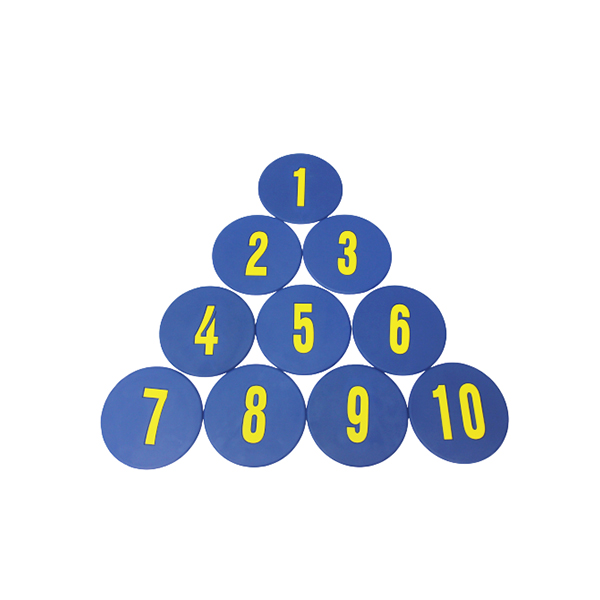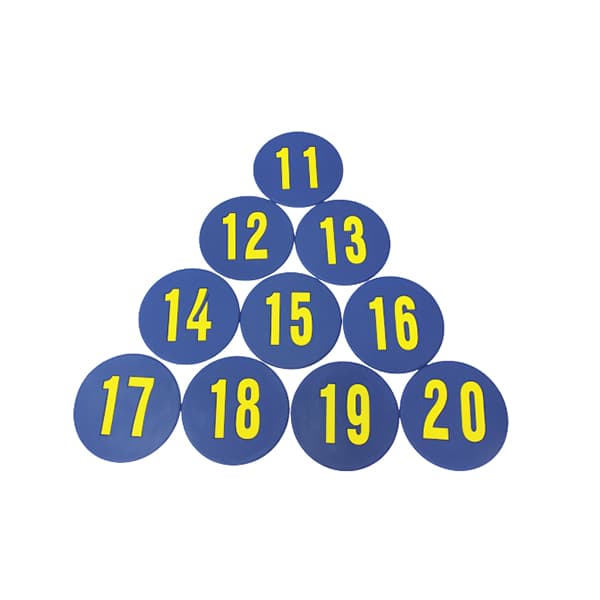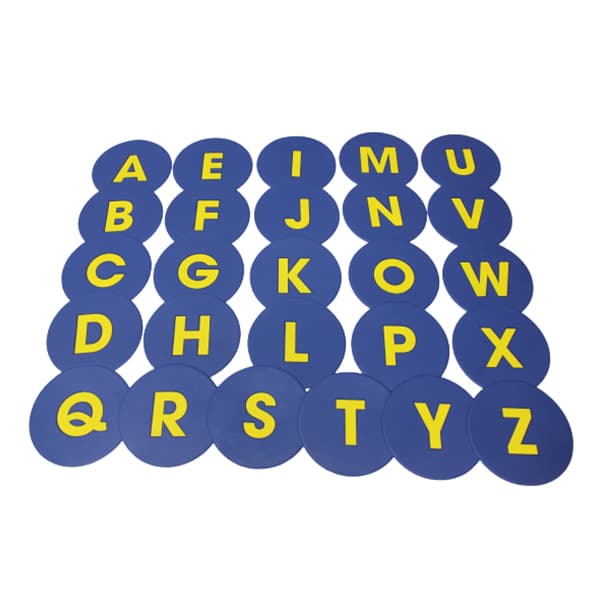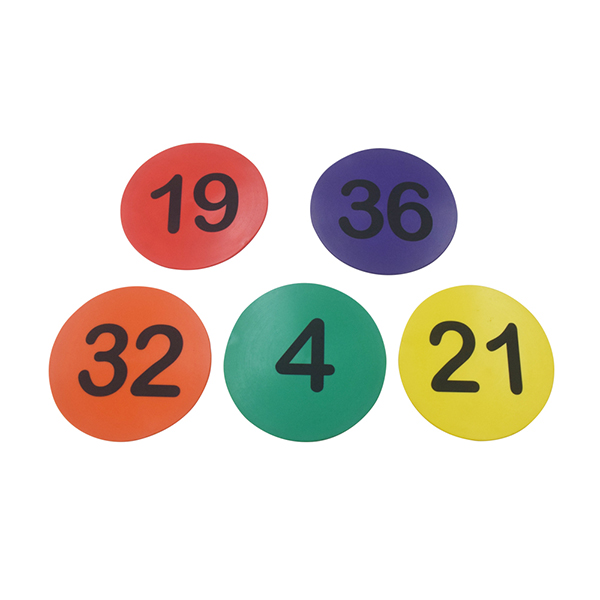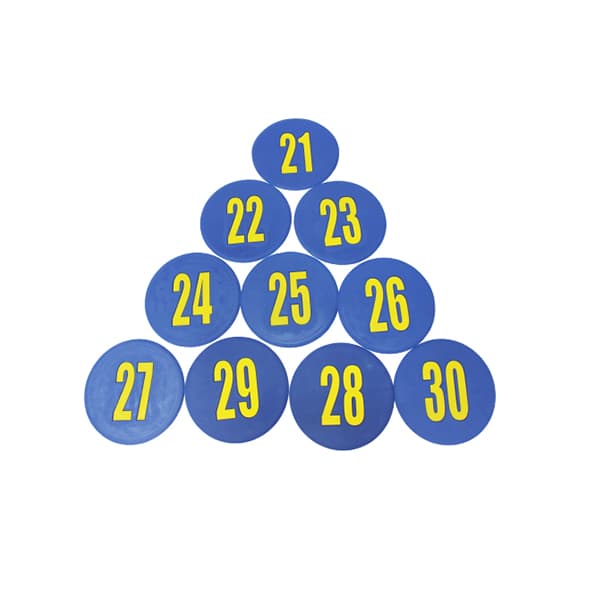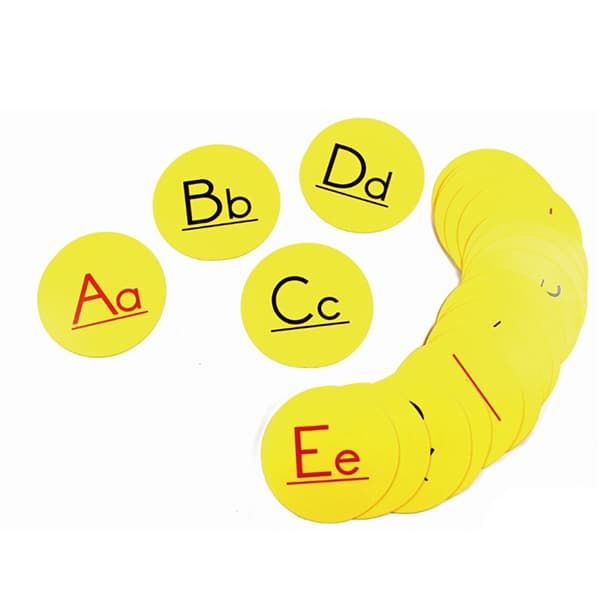



Cognitive Toys / Teaching Aids
Cognitive toys are instruments or methods that help people develop, train, or support thinking, learning, and problem-solving abilities. In education, rehabilitation, and daily life, cognitive tools are often used to enhance concentration, memory, logical reasoning, language skills, and problem-solving abilities.
Purpose and Applications
The main purposes of cognitive tools include:
- Promoting concentration: Helping users stay focused during learning or activities.
- Enhancing memory and comprehension: Improving memory retention through repeated practice or gamified methods.
- Developing logical and reasoning abilities: Training skills such as classification, comparison, sequencing, and understanding cause-and-effect relationships.
- Supporting language and expression: Assisting children or individuals with special needs in building communication skills.
- Improving problem-solving abilities: Cultivating thinking and decision-making skills through games and scenarios.
Common Types of Cognitive Toys
Memory and Attention Training – Extends attention span and strengthens short- and long-term memory.
Examples: memory matching cards, puzzles, attention games
Logical Thinking Training – Builds reasoning and cause-effect understanding.
Examples: building blocks, sorting games, number puzzles
Language and Communication Toys – Enhance vocabulary, phonics, and language comprehension.
Examples: flashcards, storytelling games, language activity boards
Sensory Cognitive Toys – Combines tactile, visual, and auditory stimulation to promote sensory integration.
Examples: shape sorters, tactile building blocks, music-based games
Suitable Users
- Preschool children: Establish foundational skills in focus, language, and logical thinking.
- School-age children: Strengthen learning motivation and comprehension through play.
- Rehabilitation patients: Especially those recovering from stroke or brain injury who need to rebuild cognitive functions.
- Individuals with special needs: Such as children with autism, ADHD, developmental delays, or language disorders.
- Seniors: Delay cognitive decline and maintain brain vitality.