



What are Sensory Balance Toys?
Sensory balance equipment refers to tools and devices designed to stimulate or train the human sensory system and balance ability. These are commonly used in:
- Children's sensory integration classrooms
- Physical therapy and rehabilitation centers
- Special education programs
- Fitness and occupational therapy environments
- They help people of different ages improve both physical and cognitive development through play and training
Purpose and Benefits
The main goals of sensory balance Toys are to:
- Enhance vestibular sense: Improve the ability to control body balance
- Strengthen proprioception: Help perceive body position and movement
- Promote sensory integration: Combine tactile, visual, and auditory input for better coordination
- Improve focus and coordination: Develop faster response times and body control
- Adapt to sensory stimulation: Support children and adults in handling diverse sensory challenges
Common Types of Sensory Balance Equipment
| Type | Function | Examples |
|---|---|---|
| Balance Training | Improves standing and walking stability | Balance beam, balance board, wobble platform, stepping stones |
| Dynamic Stimulation | Provides vestibular input to enhance coordination | Spinning chair, therapy swing, roller |
| Tactile Stimulation | Offers different textures and shapes for skin sensitivity | Sensory mats, tactile walls, sandbags |
| Visual-Motor Coordination | Combines movement and visual tracking to develop eye-hand coordination | Ball-tracking boards, light-based interactive devices |
Suitable Users
- Children: Especially those with sensory integration difficulties, attention challenges, or poor motor coordination
- Seniors: To prevent falls, maintain muscle strength, and improve spatial awareness
- Rehabilitation patients: Such as stroke recovery, spinal injuries, or sports rehabilitation
- Individuals with special needs: Including autism, ADHD, and developmental delays
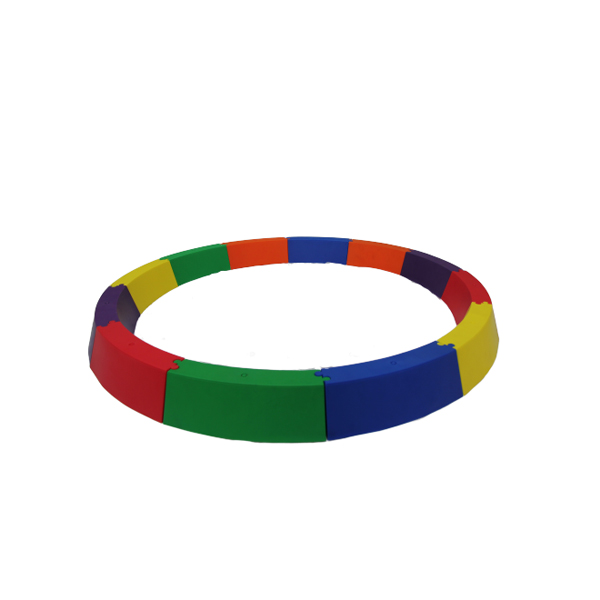
10cm" Coordinated Balance Beam Figure 8 Class Pack
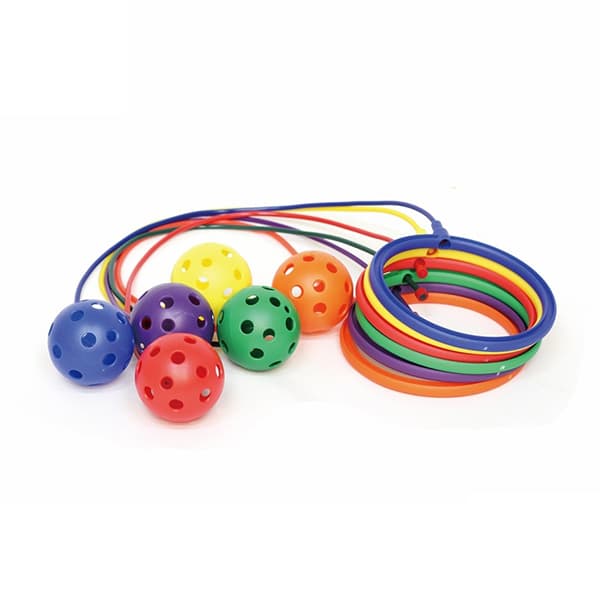
Fun Fitness Skip Ball - The Ultimate Ankle Toy for Active Kids & Adults
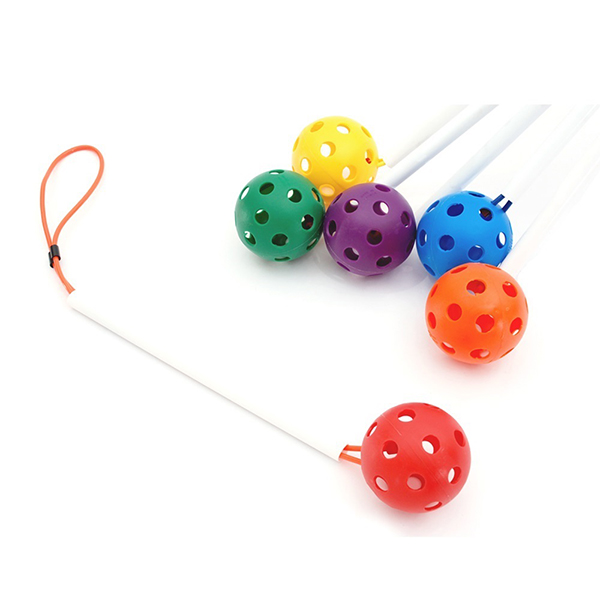
Adjustable Ankle Swing Ball with White Tube/ The Ultimate Swing Jumper for Fitness and Fun!
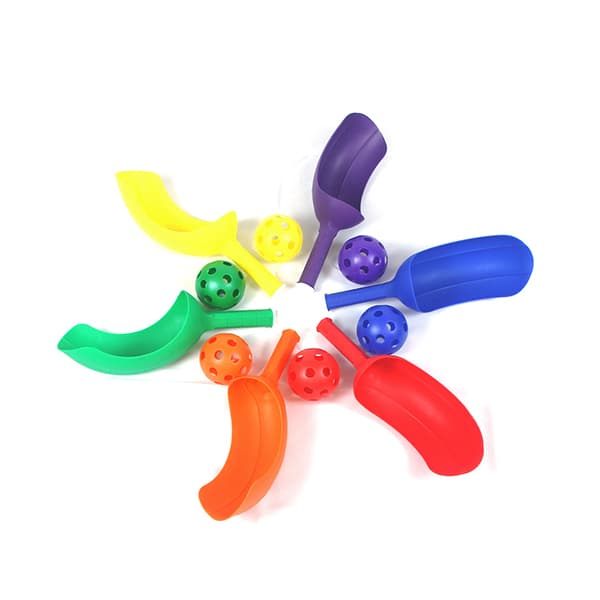
Non‑Hole Leisure Scoop Toss Set/ Outdoor Leisure Track Ball
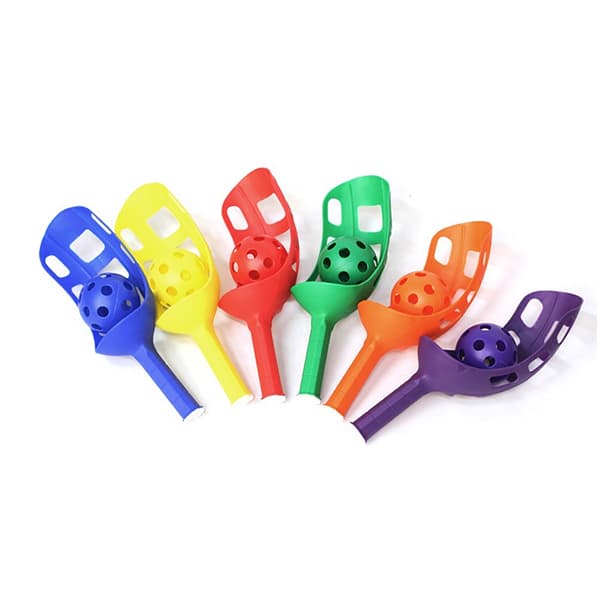
Leisure Scoop Toss Game – Perforated Ball Catch & Throw Set
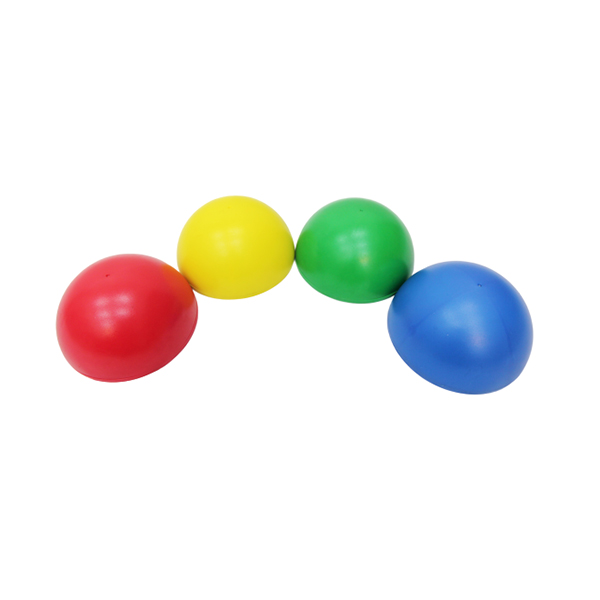
Half-Sphere Balance Stones – Fun, Safe, and Skill‑Building
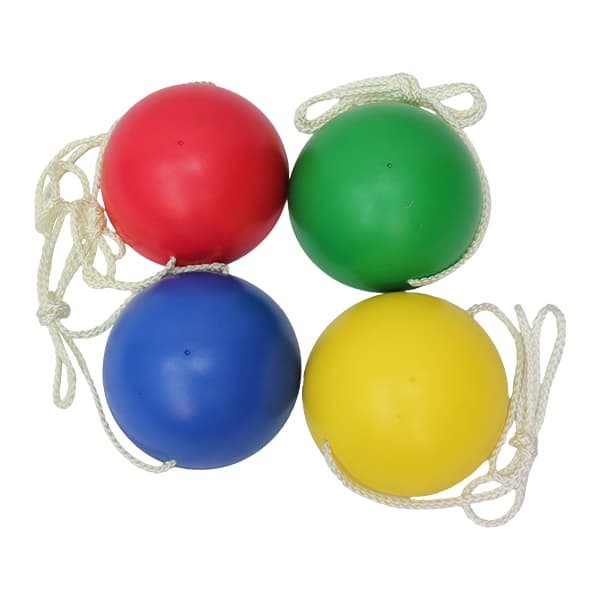
Kid's Balance Trainer Half-Sphere Set
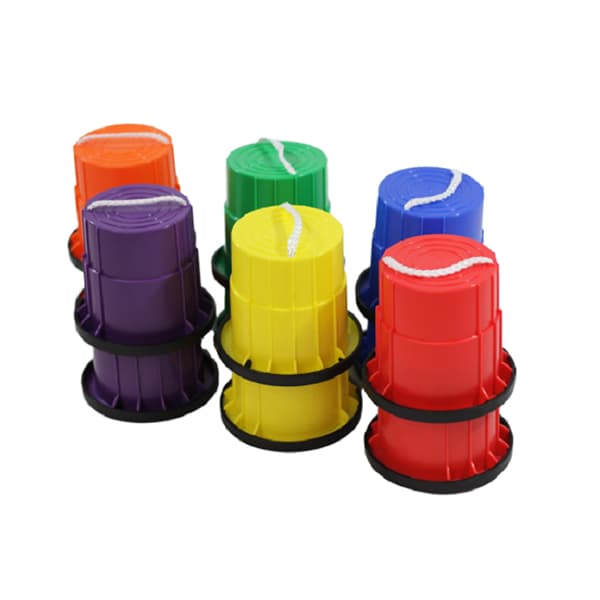
Kids Anti-slip Stilts Stepping Stones - Balance Training Sensory Toy for Children
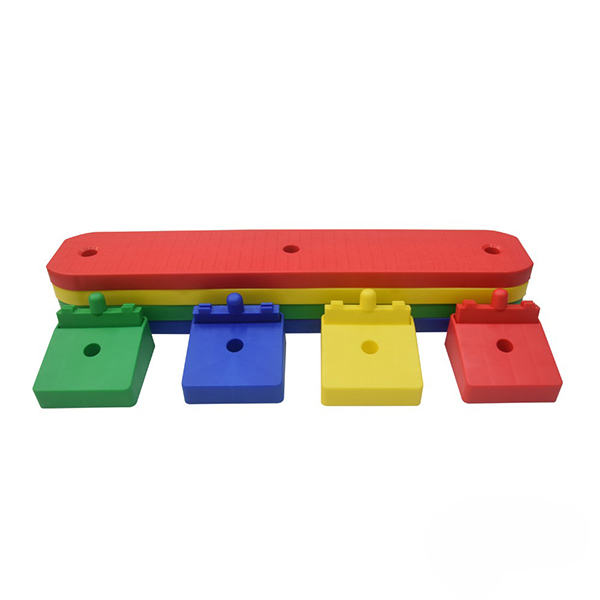
Seesaw Set – Fun, Balance & Coordination in One Play Tool
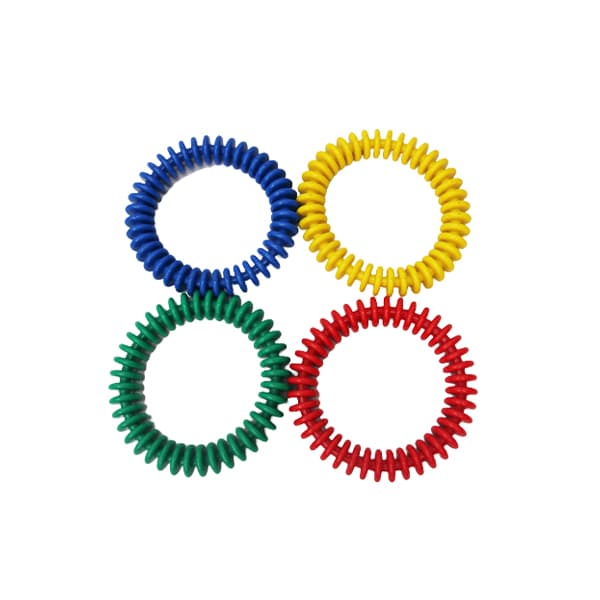
Sensory Coil Rings – Calm, Focus & Strengthen Through Touch
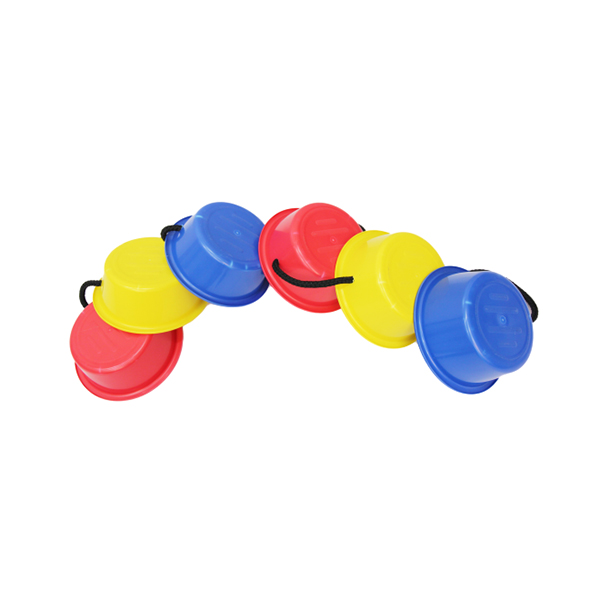
Kids Bucket Stilts Set | Fun Stepper Walking Cups for Balance, Coordination & Outdoor Play
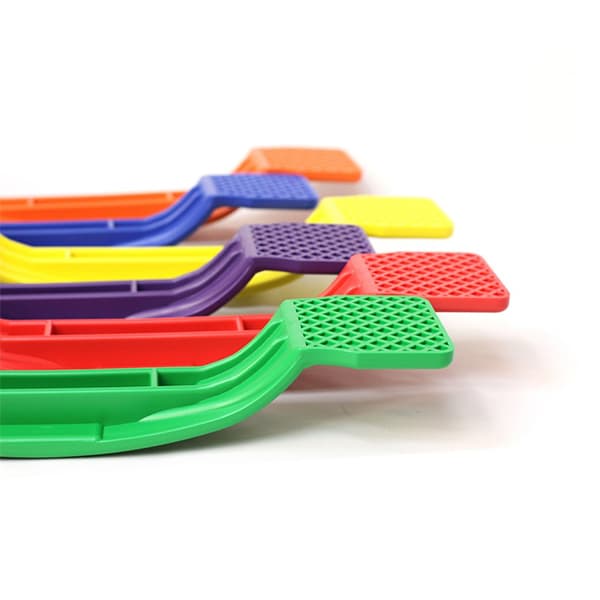
Kids Rocker Board - Fun & Safe Balance Board for Toddlers, Wobble Toy for Core Strength & Sensory Integration
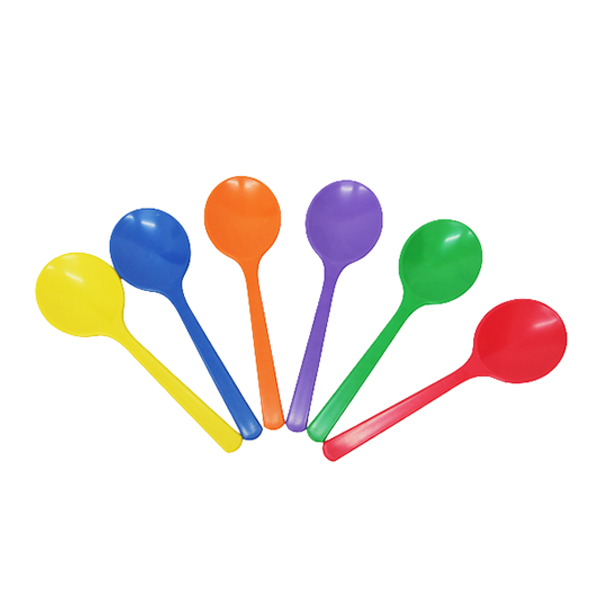
Children's Spoon Training Set for Hand Coordination & Balance